Pumpkin Spice: The Real Story Behind Fall’s Favorite Flavor, and How to Enjoy It Without Losing Your Nutrition Goals
What is pumpkin spice, and why is it everywhere every fall? Get the history, the flavor science, the latte math, and a cozy macro-friendly fall bowl.
Quick answer
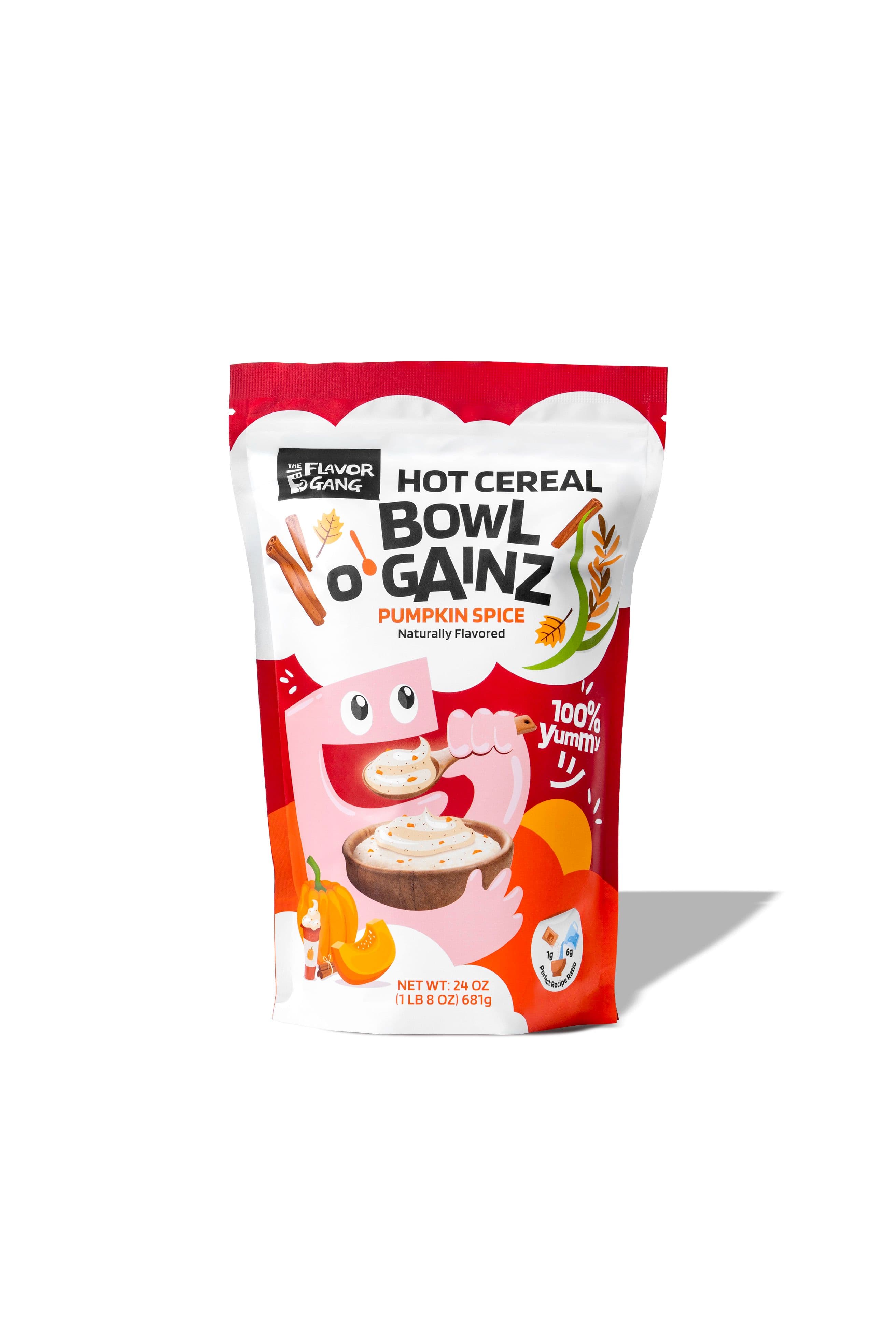
Pumpkin spice is a warm baking blend of cinnamon, ginger, nutmeg, and clove or allspice, created to season pumpkin pie, and it usually contains no pumpkin at all. Its popularity comes from seasonal nostalgia and aromas tied closely to memory. Bowl O’ Gainz Pumpkin Spice delivers that cozy fall flavor in an easy, macro-friendly cream of rice bowl.
It happens every year, and it happens earlier every year. It’s still hot outside, you’re sweating through a leg day, and suddenly every coffee shop, cereal box, and candle aisle smells like cinnamon and nutmeg. Pumpkin spice season has arrived, and nobody asked it to wait for the leaves to change.
You can roll your eyes at it, but you can’t deny it. Pumpkin spice is one of the most powerful flavors in American food. The catch is that most of the ways we eat it come loaded with sugar, cream, and syrup. So let’s break down what pumpkin spice actually is, why it grips us so hard every fall, what the average pumpkin spice treat really costs you, and how Bowl O’ Gainz Pumpkin Spice puts that cozy flavor into a bowl that works with your goals instead of against them.
What Is Pumpkin Spice? (Spoiler: Usually No Pumpkin)
Pumpkin spice is a blend of warm baking spices, typically cinnamon, ginger, nutmeg, and cloves, sometimes with allspice or mace. The name tells you what it’s for, not what’s in it. It’s the spice you put on pumpkin, not spice made from pumpkin.
The spices themselves traveled a long way to get into your latte. Cinnamon, ginger, nutmeg, and cloves are native to Asia, while allspice comes from the Caribbean and Central America, and all of them reached North America through centuries of trade. The pumpkin is the local part: it’s native to the Americas. The two met in colonial kitchens. American Cookery by Amelia Simmons, published in 1796 and often called the first American cookbook, includes “pompkin” pie recipes seasoned with spices like ginger, nutmeg, mace, and allspice.
The blend got its official name in the 20th century. Libby’s canned pumpkin hit shelves in 1929, turning pumpkin pie into something you could make without hacking open a gourd. Spice companies followed, and McCormick introduced its pre-mixed pumpkin pie spice in 1934 so home bakers didn’t have to measure five jars. Then came the moment that changed everything. Starbucks started developing a fall drink in 2003, tested it in Washington, D.C. and Vancouver, and the Pumpkin Spice Latte went on to become the brand’s most famous seasonal drink. Fun fact: the original PSL recipe didn’t include any actual pumpkin. Real pumpkin wasn’t added to the sauce until a 2015 reformulation.
Why Is Pumpkin Spice So Popular?
Pumpkin spice isn’t just a flavor. It’s a calendar. A few forces make it hit harder than almost anything else on the shelf.
It’s wired to memory. Smell is the sense most directly connected to the brain’s emotion and memory centers, the amygdala and hippocampus. That’s why one whiff of cinnamon and clove can pull up Thanksgiving tables, sweater weather, and grandma’s kitchen before you even take a bite. You aren’t just tasting spice. You’re tasting every fall you’ve ever had.
It’s seasonal, and scarcity sells. Pumpkin spice shows up for a few months and then disappears. That limited window creates urgency, and the numbers show it. NielsenIQ data put U.S. retail sales of pumpkin-flavored products at more than $800 million for the year ending July 2023. Even as surveys show plenty of shoppers admitting to pumpkin spice fatigue, a majority still say they actively seek out limited-edition fall products. A Circana food analyst summed it up well, calling it autumn’s comfort flavor.
It feels warm, literally. There’s real science behind calling these “warm” spices. Cinnamon’s signature compound, cinnamaldehyde, and ginger’s pungent compounds activate some of the same sensory receptors in your mouth that respond to heat. Clove and allspice bring eugenol, a deep, woody aroma, while nutmeg adds sweet, piney notes. Stack them together and your brain reads the whole thing as cozy, sweet, and baked, even when there’s no oven involved.
The Pumpkin Spice Problem: Great Flavor, Rough Math
Here’s where fall gets expensive. The spices themselves are basically calorie-free. The problem is everything we pour them into. According to the Center for Science in the Public Interest, a grande Starbucks Pumpkin Spice Latte made with 2 percent milk comes in at 390 calories and 50 grams of sugar, with roughly 32 grams of that being added sugar. That’s more than half the recommended daily limit for added sugar in one cup, and it’s liquid calories that don’t fill you up the way food does. Pumpkin muffins, pumpkin bread, and a slice of pie with whipped cream follow the same pattern.
None of that means you should skip fall. Real food and real enjoyment are part of eating well for the long haul. It just means the flavor you love is usually riding on a sugar delivery system. The Flavor Gang’s whole philosophy is flipping that: keep the flavor, lose the excuses.
Bowl O’ Gainz Pumpkin Spice: Fall Flavor That Fits Your Goals
Bowl O’ Gainz is The Flavor Gang’s cream of rice hot cereal, built to taste like dessert while fitting your macros. Cream of rice has been a staple for lifters and athletes for years because it’s a carb-forward base that’s easy to digest, so it fuels training without sitting heavy. Bowl O’ Gainz keeps that foundation and goes all-in on flavor, with every bag handcrafted in small batches.
Pumpkin Spice is the Gang’s seasonal fall flavor. It’s made with pumpkin puree and the warm spice notes you know, like cinnamon, nutmeg, and clove, so every spoonful tastes like pumpkin pie filling in a warm bowl. Instead of a sugar-heavy latte or a slice of pie, you get a carb-forward, low-fat breakfast that brings the comfort-food flavor and still leaves room in your day for protein, fruit, and whatever else your plan calls for.
And it’s easy. No baking, no blender, no whipped cream. Mix it with water per the bag directions, microwave, stir, and you’re eating fall in a few minutes. Because Pumpkin Spice is a seasonal flavor, it doesn’t stick around all year, so when it’s in stock, that’s your window.
How to Build a Pumpkin Spice Bowl That Works for You
Start with Bowl O’ Gainz Pumpkin Spice made according to the bag directions. From there, pick the build that matches your day.
- Pumpkin pie protein bowl: Once the bowl cools slightly, stir in a scoop of vanilla protein powder, or top it with a big spoonful of Greek yogurt for a creamy “whipped topping” that adds protein instead of sugar.
- Real pumpkin boost: Stir in a few spoonfuls of canned pumpkin puree for extra volume and color. Per USDA data, half a cup of pumpkin puree has around 40 calories and 3 grams of fiber, plus more than a full day’s worth of vitamin A. Just grab plain puree, not pumpkin pie filling, which comes pre-sweetened.
- Pre-workout fall fuel: Keep it simple with sliced banana and an extra dash of cinnamon one to three hours before training. Lower fat and fiber help it settle easy before a hard session.
- Cozy weekend bowl: Finish with a few toasted pecans or pumpkin seeds and a small drizzle of maple for that full pumpkin pie moment, measured on your terms.
Want your PSL fix too? Pair your bowl with a regular coffee or cold brew with a splash of milk and a shake of cinnamon. You get the whole fall morning ritual, and the pumpkin spice lives in the bowl where it can actually fuel you.

Written by Yana Capa-Pasco
Marketing Director